

Foolproof Tips to Match Foundation Online: No More Guesswork
Finding the perfect foundation can feel like hunting for a needle in a haystack, especially when shopping online. With countless shades and formulas available at your fingertips, how do you ensure that the one you choose truly matches your skin? The right foundation should enhance your natural beauty without leaving you guessing if it’s too light or too dark.
Understand Your Undertone
Understanding your undertone is the first step toward finding a foundation that complements your skin. Unlike your surface tone, which can change with sun exposure or skincare products, undertones remain constant. There are three main types: cool, warm, and neutral. Cool undertones typically have hints of pink or blue. If you look best in silver jewelry or see a rosy hue in your veins, you might fall into this category. Warm undertones lean towards yellow or golden shades. Those who shine in gold jewelry often belong here and may notice their veins appear greenish.
Neutral undertones sit comfortably between cool and warm. If both silver and gold flatter you equally well, you likely have a neutral base. Identifying where you fit helps narrow down foundation options significantly, making your online shopping journey less daunting.
Use Virtual Try-On Tools
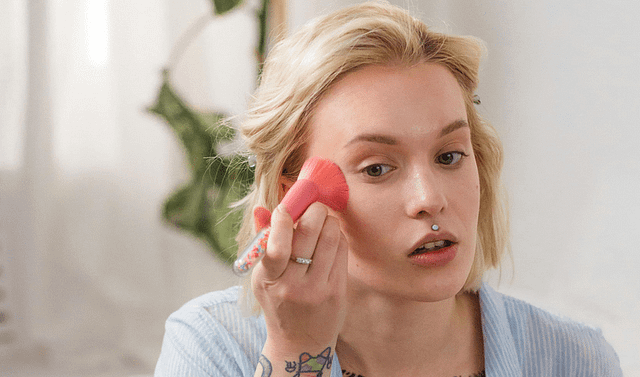
Virtual try-on tools have revolutionized the way we shop for foundations online. These innovative features allow you to see how different shades look on your skin without ever leaving home. Simply upload a photo or utilize your device’s camera. The technology adjusts in real time, giving you an accurate representation of how each shade will appear on your complexion.
It’s like having a personal makeup artist right at your fingertips. These tools can help eliminate guesswork and provide confidence when making a choice. You can experiment with various brands and formulations to find what suits you best. Don’t forget to check if the tool offers options for different lighting conditions.
Match to Your Neck vs. Jawline
When choosing a foundation shade, knowing where to match is crucial. Your jawline and neck are key areas to consider, but they can tell different stories. The jawline often reflects your face’s natural tone. It’s typically more exposed to sunlight than the neck. This might make it slightly warmer or tanner compared to other areas.
On the other hand, your neck is usually less affected by sun exposure. This area tends to have a cooler undertone and can appear lighter than your jawline. To achieve that seamless look, aim for a blend between both regions. Swatch foundation on both spots before making a decision. See how each shade interacts with your skin.
Read Reviews With Similar Skin Types

Look for feedback from people with skin types similar to yours. Their experiences can provide invaluable insights into how a shade performs. Pay attention to their comments on texture and wearability. Oily skin might find a matte finish preferable, while dry skin could benefit from hydrating formulas.
These specifics help you envision how the product may work for you. Don’t just glance at star ratings; read through the details. Many reviewers share photos that can give context that swatches often lack. Consider also the climate they live in, as this affects performance too. A foundation that shines in humid conditions might not fare well in arid environments.
What to Do If You Order the Wrong Shade
Ordering the wrong foundation shade can feel frustrating, but it’s not the end of the world. First, check if you can return or exchange your product. Many brands have flexible policies for this exact reason. If returning isn’t an option, get creative. Mix your too-light or too-dark shades with other foundations that better match your skin tone to create a custom blend.…


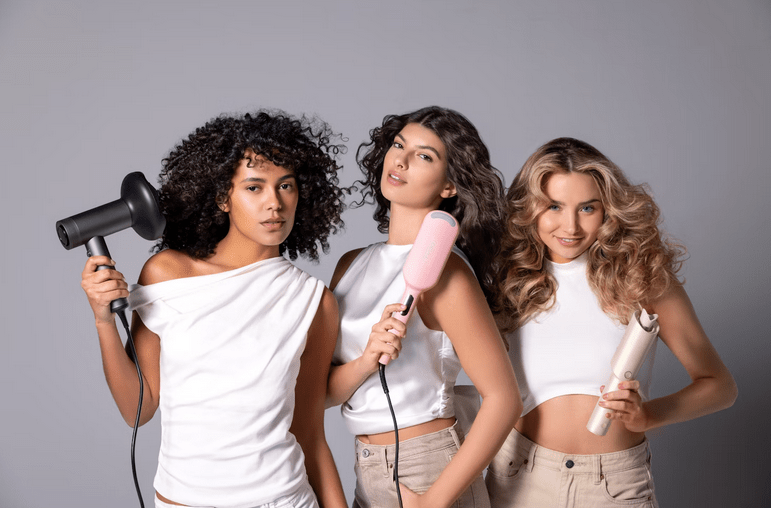 A hair transplant opens up a world of styling possibilities. Gone are the days of hiding thinning patches or wearing hats to cover bald spots. With restored hair, you can experiment with different looks. Imagine rocking that trendy hairstyle you’ve always admired. Whether it’s slicked back, tousled waves, or a bold undercut, the choice is yours. Transplanted hair allows for greater versatility and creativity in your appearance. You can also embrace longer styles without worry. Letting your locks flow freely becomes an option when there’s fullness at the roots.





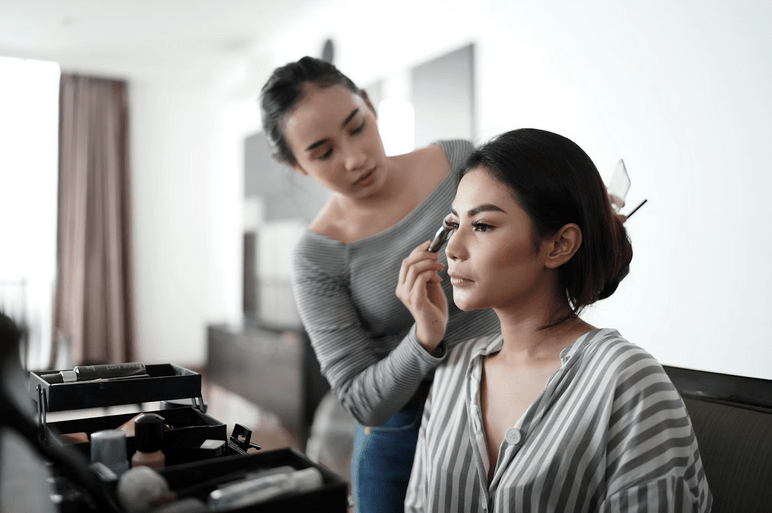

 One of the main advantages of sustainable hair products is that they often contain natural ingredients, such as plant-based oils and extracts. These natural ingredients can be gentler on your scalp, providing nourishment to keep your locks looking healthy and shiny.
 Sustainable hair care products are often free from harsh chemicals that can be damaging to your scalp. These natural ingredients can help moisturize and nourish your scalp while avoiding the potential side effects of chemical-laden products. Sustainable hair care brands often use natural preservatives and biodegradable materials, making them a much better choice for your hair.
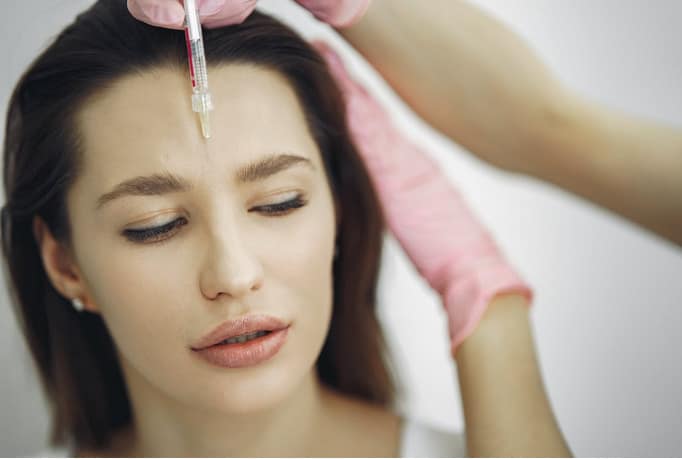 The second common treatment for wrinkles is botox. It is a neurotoxin that is injected into the skin. It temporarily paralyzes the muscles, preventing them from contracting and forming wrinkles. Botox can be quite expensive, but it is often covered by insurance. It is important to note that Botox is not a permanent solution, and it needs to be repeated every few months. Many celebrities use this treatment to keep their skin looking young and fresh. It is known that actresses popularly use botox.
 The fourth most effective treatment for wrinkles is laser resurfacing. Laser resurfacing involves using a laser to remove the top layer of skin. This can help reduce wrinkles by making the skin look smoother and more evenly toned. Many think that laser resurfacing is very painful, but it is actually not as bad as you might think. The pain only lasts for a few seconds and then goes away. You can also consult with your doctor to see if you are a candidate for this procedure.